Introduction
The fitness industry has undergone a quiet but significant transformation over the past decade. Personal training in Singapore today looks very different from what it did ten years ago, and technology is a central reason why. From sophisticated wearable devices that track biometric data in real time to AI-powered coaching apps that analyse movement and recovery, the tools available to both trainers and clients have expanded dramatically.
For anyone considering or currently engaged in personal training Singapore, understanding how technology is being integrated into the training process helps explain why modern personal training is more precise, data-driven, and effective than ever before.
The Rise of Wearable Technology in Singapore’s Fitness Scene
Singapore has one of the highest smartphone penetration rates in the world, and wearable fitness technology has followed a similar adoption curve. Devices like the Apple Watch, Garmin fitness trackers, WHOOP bands, and Oura rings are increasingly common among fitness-conscious Singaporeans. These devices collect continuous data on heart rate, sleep quality, activity levels, recovery status, and more.
Personal trainers in Singapore are learning to incorporate this data into their programming decisions. Rather than relying solely on subjective client feedback, trainers can now access objective metrics that reveal how the body is responding to training, recovering overnight, and adapting over time. This data-driven approach allows for far more precise programme adjustments.
Key Metrics That Trainers Pay Attention To
Heart Rate Variability
Heart rate variability (HRV) is one of the most valuable metrics that modern wearables track. HRV measures the variation in time between consecutive heartbeats and is a reliable indicator of the body’s readiness to handle physiological stress. High HRV generally indicates good recovery and readiness to train hard. Low HRV suggests the nervous system is under stress and that a lighter session or rest day may be more appropriate.
Personal trainers who monitor their clients’ HRV data can make informed decisions about session intensity rather than pushing hard on days when the body is signalling that it needs to recover.
Resting Heart Rate
A consistently elevated resting heart rate is often one of the first signs of overtraining, illness, or excessive life stress. Tracking this metric over time allows trainers to identify trends and adjust the training load before problems escalate.
Sleep Quality and Duration
Sleep is the most important recovery tool available to any athlete or fitness enthusiast. Wearables that track sleep stages, total sleep time, and sleep consistency provide trainers with context that profoundly affects how they programme a client’s sessions. A client who has had three consecutive nights of poor sleep should not be pushed through a maximum effort session.
Training Load and Recovery Balance
Platforms like Garmin’s Training Status and the WHOOP Strain and Recovery system quantify the balance between training load and recovery. Trainers use this data to ensure clients are in an appropriate training zone over weekly and monthly cycles, building fitness without accumulating excessive fatigue.
Fitness Apps That Singapore Personal Trainers Use With Clients
Beyond wearables, a range of coaching and programming apps has transformed how trainers deliver and monitor their clients’ programmes.
TrueCoach and TrainHeroic
These professional coaching platforms allow trainers to design, deliver, and track entire training programmes digitally. Clients receive their workouts on their smartphones, log their completed sets and weights, and leave notes about how the session felt. Trainers can review this data remotely, make adjustments, and provide feedback, making the coaching relationship effective even between in-person sessions.
MyFitnessPal and Cronometer
Nutrition tracking apps provide trainers and clients with a clear picture of dietary intake. When a client’s fat loss progress stalls, having accurate nutritional data is invaluable for identifying whether the issue lies with training volume, caloric intake, macronutrient distribution, or another factor entirely.
Video Analysis Apps
Apps like Coach’s Eye and Hudl Technique allow trainers to record and analyse movement in slow motion, drawing on the screen to highlight technique issues. This is particularly useful for coaching complex movements like squats and deadlifts, where subtle technique errors can be difficult to identify and correct in real time.
The Role of AI in Singapore Personal Training
Artificial intelligence is beginning to play a more direct role in personal training. AI-powered platforms can analyse video of exercise technique, provide real-time feedback on form, generate personalised programme recommendations based on biometric data, and even predict injury risk based on movement patterns.
While AI tools are unlikely to replace qualified human trainers in the near future, they are becoming valuable supplementary tools that enhance what trainers can offer. The data and insights generated by AI platforms give trainers more information to work with and free up session time for coaching, motivation, and building the human connection that is central to effective personal training.
Balancing Technology With the Human Element
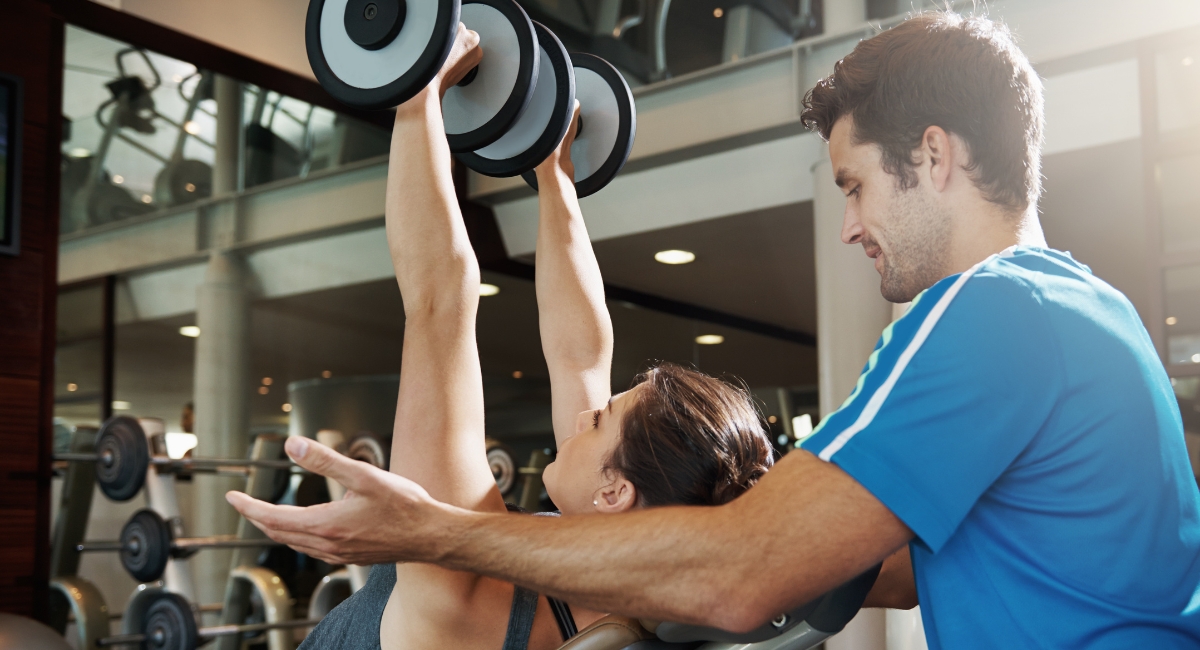
It is worth noting that technology is a tool, not a replacement for expertise, empathy, and human connection. The best personal trainers in Singapore use technology to enhance their coaching rather than to substitute for it. Data informs decisions, but the relationship between trainer and client, built on trust, communication, and genuine investment in the client’s success, remains the most important element of effective personal training.
Clients who feel understood and supported by their trainer are far more likely to show up consistently, push through difficult sessions, and make the lifestyle changes that produce lasting results. No app or wearable can replicate that.
The coaches at True Fitness Singapore combine professional expertise with a genuine client-first approach, embracing the tools that enhance coaching while never losing sight of the human relationship at the heart of the training experience.
What Clients Should Know About Fitness Technology
You do not need to invest in expensive wearables to benefit from personal training in Singapore. While data from a WHOOP or Garmin device can enhance the coaching process, a good trainer can deliver excellent results with or without wearable data. If you do use a fitness tracker, share the data with your trainer and ask them how it can inform your programme.
Be cautious about over-relying on technology to the point where it creates anxiety or obsession. Fitness tracking can become counterproductive if it leads to excessive worry about every metric. Use technology as a guide and a source of insight, not as a source of stress.
Frequently Asked Questions
Do I need a fitness wearable to work with a personal trainer in Singapore? No, a wearable is not required. Your trainer can deliver an effective programme based on your feedback, performance observations, and progress measurements without biometric data. However, if you already use a wearable, sharing that data can provide valuable additional insights.
Which fitness wearable is best for someone starting personal training in Singapore? For most people starting out, an Apple Watch or a Garmin Forerunner offers an excellent balance of accuracy, functionality, and ease of use. For those focused specifically on recovery optimisation, the WHOOP band or Oura ring provide more detailed recovery and sleep data.
Can my personal trainer access my wearable data remotely? Yes, depending on the platform. Many coaching apps integrate with popular wearable platforms, allowing trainers to view client data remotely and use it to inform programming decisions between sessions.
Are fitness apps a replacement for a personal trainer? No. Fitness apps and AI coaching tools can provide structure and guidance, but they lack the ability to observe your movement in person, adjust technique in real time, provide genuine emotional support, or respond to the nuanced and individual factors that affect your training. A personal trainer offers a level of personalisation and human connection that technology cannot replicate.
How do Singapore personal trainers use nutrition apps with their clients? Many trainers recommend that clients log their food intake using an app like MyFitnessPal for a period of time, not as a permanent requirement, but as an educational exercise that builds awareness of actual caloric and macronutrient intake. This data helps identify patterns and habits that may be undermining progress, making it easier to implement targeted nutritional improvements.
