166
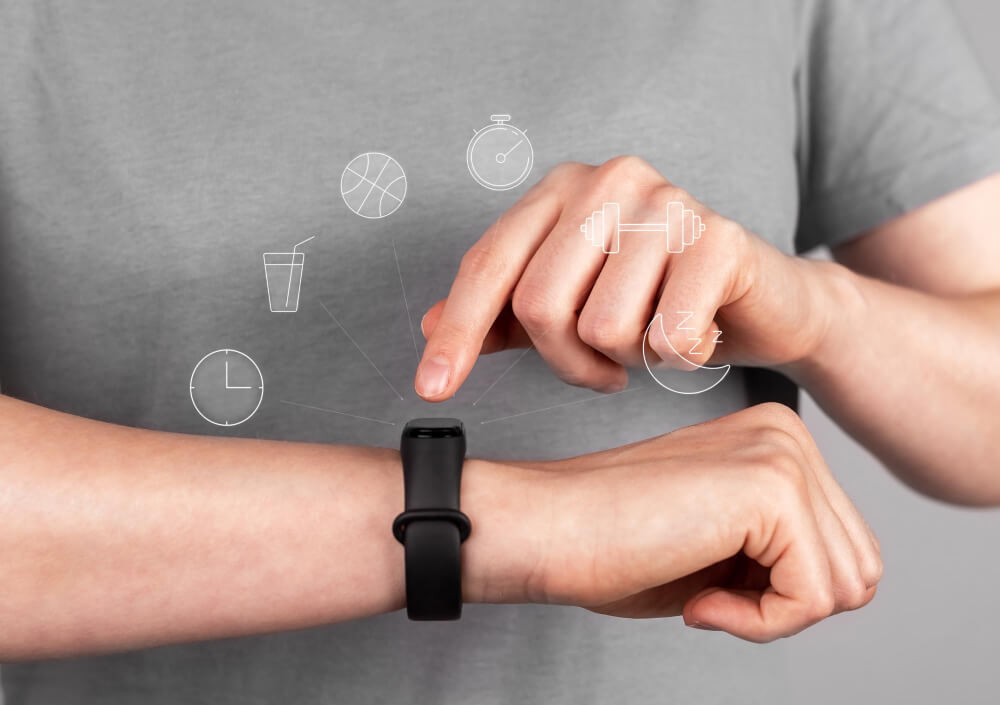
Wearable technology has undergone a dramatic metamorphosis over the past decade. What began as simple wrist-worn pedometers and basic step counters has evolved into an sophisticated ecosystem of health diagnostics, immersive augmented reality hardware, and non-intrusive human-computer interfaces. The modern wearable landscape is no longer defined merely by smartwatches counting steps or notifying users of incoming text messages. Instead, it represents a fundamental shift toward continuous biometric monitoring, proactive preventive healthcare, and seamless contextual computing.
As microelectronics become smaller, sensors reach medical-grade accuracy, and machine learning models run directly on low-power silicon, wearables are integrating deeply into daily human life. Emerging form factors are removing the traditional boundaries of screens, allowing technology to operate quietly in the background while delivering actionable insights. Understanding these transformative wearable technology trends provides a clear view into how humans will interact with digital networks, monitor personal wellness, and enhance physical capability in the coming years.
Advanced Health Diagnostics and Continuous Biomarker Monitoring
The most significant driver of wearable innovation is the transition from reactive medicine to continuous preventive health monitoring. Traditional healthcare relies on periodic doctor visits where vital signs are captured at a single point in time. Modern wearables bridge this gap by gathering continuous real-time data streams, establishing personalized baselines that help identify physiological anomalies long before clinical symptoms appear.
Sensors embedded in consumer wearables are achieving unprecedented precision, moving closer to traditional medical instruments in performance. Key health monitoring breakthroughs include:
-
Non-Invasive Glucose Tracking: Engineers are making major strides in optical and spectroscopic sensors capable of estimating blood sugar levels without requiring painful finger pricks, offering life-changing management tools for individuals with diabetes.
-
Continuous Blood Pressure Estimation: Optical photoplethysmography sensors and pulse transit time algorithms now estimate continuous blood pressure trends from the wrist or finger, helping flag silent hypertension risks.
-
Electrocardiogram and Arrhythmia Detection: Multi-lead sensor arrays built into watch bezels and wristbands detect irregular heart rhythms, such as atrial fibrillation, sending immediate alerts to users and healthcare providers.
-
Core Body Temperature and Hormonal Tracking: Precision heat flux sensors track subtle temperature variations throughout the day and night, providing valuable insights for sleep quality analysis, fever detection, and reproductive health monitoring.
By converting continuous biological signals into structured health metrics, these devices empower individuals to take informed control of their personal wellness while giving medical professionals valuable longitudinal data.
The Rise of Smart Rings and Screenless Ergonomic Wearables
While smartwatches remain popular, a growing segment of consumers experiences screen fatigue and notification overload. This shift has fueled the rapid popularity of screenless wearables, most notably smart rings and minimal biometric bands. Smart rings package advanced sensor arrays into compact, lightweight jewelry that users can wear comfortably around the clock without screen distractions.
The finger offers distinct physiological advantages for biometric tracking compared to the wrist. Digital arteries sit closer to the surface of the skin on fingers, allowing optical sensors to capture clearer blood flow signals with lower light output and reduced energy consumption.
-
Enhanced Sleep Recovery Analysis: Smart rings track heart rate variability, skin temperature fluctuations, and movement patterns during sleep stages, generating accurate daily recovery and readiness scores.
-
Extended Battery Longevity: Without power-hungry color touchscreens, screenless wearables frequently operate for five to seven days on a single charge, eliminating the daily charging friction common with traditional smartwatches.
-
Discreet All-Day Ergonomics: The lightweight, water-resistant design of smart rings makes them ideal for continuous wear during intense workouts, formal events, and sleep without pulling attention.
As miniature packaging techniques advance, screenless wearables will continue to gain market share among users who seek deep health insights without another screen demanding their visual attention.
Smart Glasses and Contextual Augmented Reality
Augmented reality (AR) glasses and smart eyewear represent the next major frontier in personal computing interfaces. Rather than requiring users to look down at handheld smartphone displays, smart glasses project contextual digital information directly into the user field of view.
Early iterations of smart glasses suffered from bulky frames, heavy battery packs, and limited battery life. However, breakthroughs in micro-OLED displays, spatial audio transducers, wave-guide optics, and ultra-compact processors have enabled sleek, lightweight frames that resemble everyday fashion eyewear.
-
Real-Time Heads-Up Navigation: Pedestrian navigation arrows overlay directly onto city sidewalks and street intersections, guiding users without requiring them to check phone screens.
-
Instant Hands-Free Translation: Integrated microphones capture foreign languages in real time, projecting translated text subtitles across the lens display during live conversations.
-
AI-Powered Visual Context: On-board computer vision algorithms identify real-world objects, read textual signs, and surface relevant context based on what the wearer is looking at.
-
Spatial Audio Integration: Directional open-ear speakers beam private audio, calls, and voice assistant responses directly into the ear canals without isolating the user from ambient environmental sounds.
As optical clarity improves and battery efficiency increases, smart glasses will increasingly supplement and eventually replace many traditional smartphone interactions.
Next-Generation Electronic Textiles and Smart Apparel
Beyond wristbands and eyewear, technology is embedding directly into the fabrics people wear every day. Electronic textiles, often called e-textiles or smart clothing, integrate conductive threads, micro-sensors, and flexible circuit boards directly into garments like shirts, socks, athletic suits, and footwear.
Unlike rigid plastic devices strapped to the body, smart apparel conforms naturally to human anatomy, providing a larger surface area for capturing accurate physiological data across multiple muscle groups and joints simultaneously.
-
Athletic Performance and Biomechanics: Smart compression shirts measure muscle engagement, breathing volume, and heart rate, while intelligent socks analyze foot strike impact patterns to optimize running form and prevent injuries.
-
Postural and Ergonomic Correction: Workwear garments fitted with stretchable motion sensors detect poor posture during heavy lifting or prolonged desk work, delivering subtle haptic feedback to encourage proper spinal alignment.
-
Medical and Remote Patient Monitoring: Soft smart garments offer comfortable, continuous monitoring for post-surgical patients, elderly individuals, and infants, tracking vital signs without irritating sensitive skin.
As washable conductive polymers and flexible energy storage units mature, smart apparel will seamlessly blend functional technology into everyday fashion wardrobes.
Brain-Computer Interfaces and Neural Sensing Hardware
One of the most visionary trends in wearable technology involves direct neural sensing and brain-computer interfaces (BCIs). While invasive neural implants remain restricted to medical research, consumer-grade non-invasive neural wearables are rapidly emerging for focus optimization, stress management, and hands-free control.
Non-invasive neural devices utilize surface electromyography (sEMG) or electroencephalography (EEG) sensors embedded in wristbands, headbands, or earbuds to detect electrical signals generated by muscle contractions and brain activity.
-
Neural Gesture Control: Wristbands equipped with sEMG sensors detect minute electrical signals moving through the forearm toward the fingers, allowing users to navigate digital interfaces or pinch virtual buttons simply by intending to move their fingers.
-
Focus and Cognitive State Tracking: EEG-equipped headbands measure brainwave frequencies to evaluate focus levels, fatigue, and stress states, suggesting timely breaks or guided meditation sessions.
-
Accessibility and Adaptive Control: Neural wristbands provide transformative assistive tools for individuals with limited mobility, enabling intuitive control of wheelchairs, smart home devices, and communication software.
Neural sensing hardware shifts interaction models from explicit physical inputs toward implicit intent, fundamentally changing how humans command software systems.
Energy Harvesting and Sustainable Power Architecture
Battery life remains one of the primary engineering bottlenecks in wearable technology. The inconvenience of frequent recharging often leads users to abandon their devices. To solve this challenge, hardware developers are pioneering energy harvesting techniques that extract electrical power directly from the surrounding environment and the human body.
Instead of relying solely on chemical lithium-ion batteries, future wearables will combine ultra-low-power microcontrollers with hybrid power harvesting architectures.
-
Thermoelectric Power Generation: Thermoelectric generators harvest energy from the temperature differential between warm human skin and cooler ambient air, generating continuous background electrical current.
-
Kinetic Energy Collection: Micro-generators capture the kinetic energy generated by limb movement during daily walking, running, and physical activity to trickle-charge onboard capacitors.
-
Ambient Solar Integration: Flexible micro-solar cells embedded into watch faces, smart ring surfaces, and smart clothing fabrics convert indoor light and direct sunlight into usable electrical power.
Energy harvesting architectures will drastically extend battery life cycles, paving the way for self-sustaining wearables that run indefinitely without wall chargers.
Data Privacy, Security, and Ethical Considerations in Biometric Sensing
As wearables capture increasingly intimate continuous data including heart rates, location tracks, sleep patterns, emotional stress indicators, and neural signals, data security and user privacy become paramount concerns. Biometric data provides a deeply personal reflection of an individual health profile, making its protection essential.
Modern wearable architectures are evolving to address these privacy challenges through hardware-level security and decentralized data processing.
-
On-Device Edge Computing: Advanced machine learning chips process sensitive biometric algorithms locally on the wearable device, avoiding the need to transmit raw health data streams to remote cloud servers.
-
Biometric Encryption Standards: Health logs are encrypted directly at the hardware layer using zero-knowledge architecture, ensuring that only authorized users hold decryption keys.
-
Granular User Consent Models: Next-generation operating systems give users explicit control over which application modules can access specific sensor streams, preventing silent background data collection.
Establishing robust privacy frameworks and transparent data policies will be crucial to maintaining public trust as biometric sensing becomes ubiquitous.
Frequently Asked Questions (FAQ)
What is the main difference between consumer fitness trackers and medical-grade wearables?
Consumer fitness trackers provide general wellness estimates intended for lifestyle optimization, exercise tracking, and personal motivation. Medical-grade wearables undergo rigorous clinical validation, regulatory testing, and clearance processes to diagnose, treat, or monitor specific medical conditions with certified clinical precision.
How do non-invasive glucose monitoring sensors work without drawing blood?
Non-invasive glucose sensors typically utilize optical spectroscopy or electromagnetic sensing techniques. They pass specific light wavelengths through skin tissue and analyze light absorption or scattering patterns caused by glucose molecules in interstitial fluid, estimating blood sugar concentration without skin punctures.
Are smart rings as accurate as smartwatches for tracking heart rate and sleep?
Yes, smart rings are often as accurate or even more accurate than smartwatches for heart rate and sleep tracking. The blood vessels in fingers sit close to the surface, and a snug-fitting ring experiences less movement distortion during sleep compared to a looser wristband.
How do wearable devices safeguard user location and health data from unauthorized access?
Modern wearables protect sensitive data by using on-device edge processing, hardware-level encryption chips, secure Bluetooth pairing protocols, and granular privacy settings that allow users to restrict cloud transmission of personal health metrics.
Will smart glasses cause eye strain or visual fatigue during prolonged use?
Modern AR smart glasses are designed to minimize eye strain through advanced waveguide optics and focal depth adjustments. These optical systems project visual elements so that they appear at natural focal distances, reducing the eye muscle fatigue associated with staring closely at traditional flat screens.
How do energy harvesting wearables generate power from body heat?
Energy harvesting wearables use thermoelectric generators containing semiconductors that generate an electrical current whenever a temperature gradient exists. The temperature difference between warm skin and ambient air causes electrons to move, generating continuous micro-power.
What role will artificial intelligence play in the future of wearable technology?
Artificial intelligence acts as the contextual brain behind wearable sensors. Instead of simply displaying raw biometric numbers, on-device AI algorithms analyze longitudinal trends to predict illness, recommend personalized exercise recoveries, recognize subtle hand gestures, and deliver proactive, context-aware assistance in real time.
